
Implementing a Netflix Audience Engagement Strategy through Hyper-Segmentation
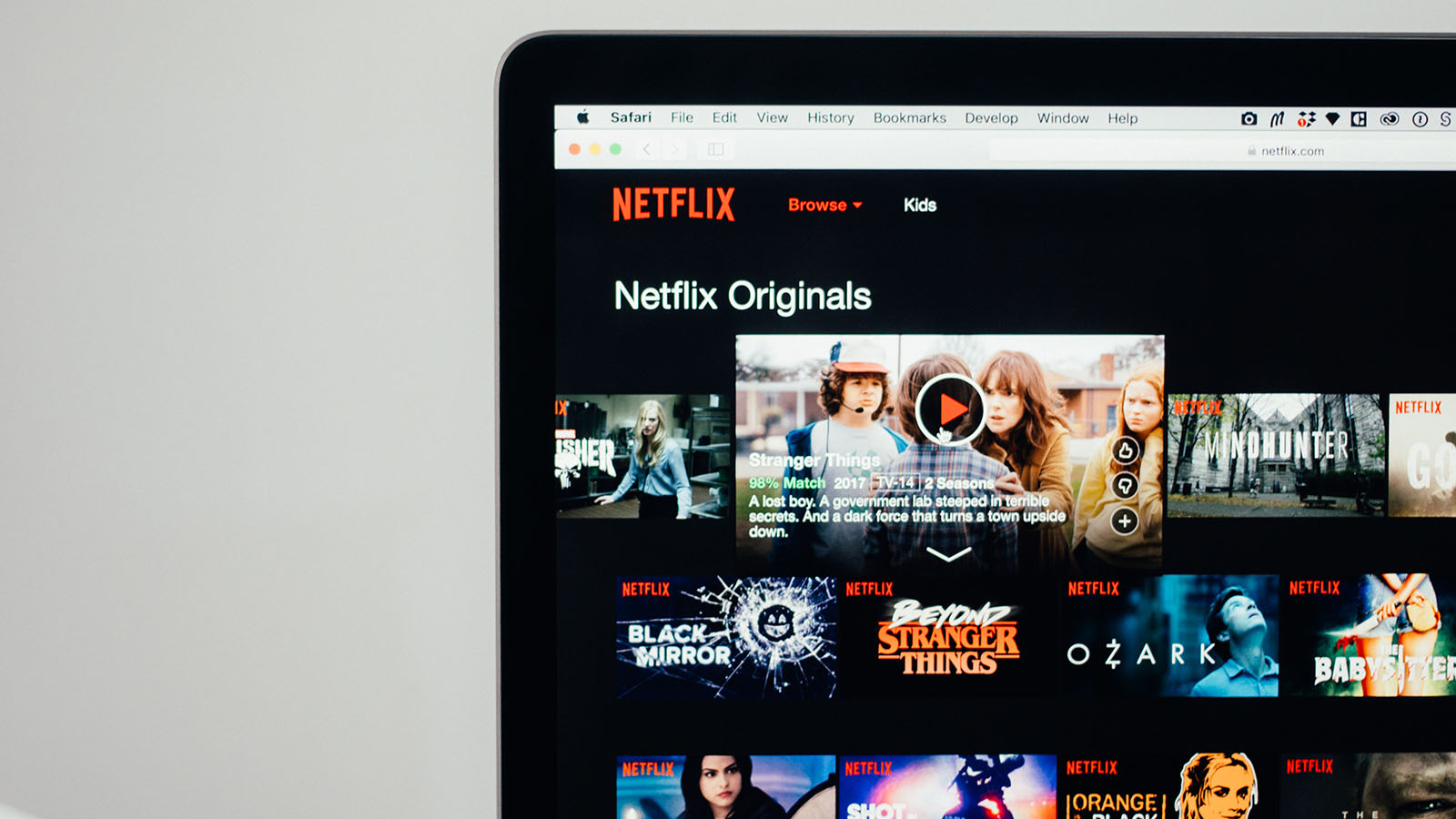
Grace and Frankie, Netflix’s coming-of-aging series starring Jane Fonda and Lily Tomlin, commenced its second season with a mandate to make an impact on audiences. The show became a striking example of Netflix audience enagagement strategy in action. After receiving a lackluster 56 percent rating from Rotten Tomatoes, the streaming platform started to promote the comedy with a new strategy: Netflix used an image featuring only Tomlin, instead of both actresses. The solo image received more engagement than one featuring both women—apparently viewers aren’t too fond of Jane Fonda. For almost 19 years, Netflix’s content strategy had been driven by the engagement of its communities of viewers. Now, one of its premier talents was caught in the crosshairs, not of audiences tastes, but an algorithm.
Better known as the “Recommendation System,” Netflix’s algorithm takes into consideration three separate factors to help users find content they like, or offer up content they otherwise wouldn’t try, but may like, based on previous selections.
As the war for content dominance continues to rage, and the attention of consumers rapidly dwindles, one thing remains constant: to compete in today’s content landscape, companies and brands must focus on building communities around content that not only allows audiences to become more engaged, but incentivizes them to share their experience with others.
In an effort to preserve a strong relationship with Fonda, Netflix’s content team pressured leadership to ignore the algorithm. Although the tech team stressed the importance of data, content won out: Fonda’s image was re-introduced, viewers warmed to her visage and character, and Grace and Frankie is now entering into its sixth season.
At the surface level, the Fonda quandary appears to be standard friction between talent and show runners. Go deeper, and it speaks volumes about the relationship Netflix has built with its audience, and how the brand perceives that connection.
Micro Genres and the Foundation of Netflix’s Audience Engagement Strategy
Since its was founded in 1997, the streaming giant has amassed 139 million paid subscribers. It’s easy to look at Netflix today and see why so many people have bought into the platform. The layout, which came directly from the mind of long standing Product Vice President Todd Yellin, resembles the shelves in video stores of the past.
Netflix’s content—its shows, movies, documentaries, and original series—is broken up into what is referred to internally as “micro-genres.” With almost 80,000 of these classifications, Netflix has found a unique way to label and track its 5,087 titles.
Every time the Netflix app is opened, the firm’s algorithms learn more about each user and the content they like. For example, the image of Jane Fonda and Lily Tomlin transforms into an in-app video preview, which has several variations, depending on what Netlfix knows about the user. If a viewer wants to go on a romantic comedy marathon withfemale leads, preview images will be of female characters, as opposed to someone else who may be watching male led rom-coms. This meticulous and highly customized content curation quietly takes place the entire time a user is on the platform.
For Netflix, this is about making an overwhelming library of content navigable, and ensuring each viewer sees the right content at the correct time. Netflix calls groups of users who have different interests “Taste Communities,” of which there are two thousand. Netflix is able to curate content that it knows users will not only devour, but will engage with as well.
From the dark political series House of Cards, to the unorthodox blockbuster hit Bird Box, Netflix has relied on its audience to dictate its offerings. It has invested in shows, movies, and talent that may not have been successful in traditional settings of the past—but that data indicate can be supported by a Taste Community.
Blockbuster and the Failure of Transactional Membership Models
When a brand immerses itself into everyday life to the point that it moniker is coopted for a cultural phenomenon (“Netflix and Chill”), it’s easy to forget life before it existed. But, there was a time when much of the same content on Netflix came in a blue, white, and yellow plastic case.
Blockbuster Video almost never was. David Cook, Blockbuster’s founder, originally owned an oil equipment company that supplied tools and computer software to Texas’ oil and gas industry. After the collapse of the oil market in the mid-1980s, Cooks acted on a suggestion from his wife, and opened the first Blockbuster in 1985.
In just five years, Blockbuster became the largest video retail renter in the world with over 2,800 stores. Its blue and yellow membership card became ubiquitous in wallets across five continents—access to, what at the time, was an unimaginable library of content.. Ironically, this may be a core reason for Blockbusters failure: the card symbolized access, not membership in a community. A Blockbuster “membership” had more in common with a grocery store shoppers’ card than anything else.
Blockbuster ignored its members, and the way they engaged with its content—which reinforced the transactional, as opposed to community-driven, nature of the relationship. The Blockbuster experience wasn’t about tastes, likes, or dislikes: just aisles and aisles of barely curated VHS tapes. In fact, if there was one hallmark of the Blockbuster customer “experience,” it was late fees — which could be triggered by the smallest of offenses. Forgetting to rewind a VHS could warrant a $4.99 fee. In 2004, it was estimated that Blockbuster brought in roughly $300 million in late fees alone.
Building Content Communities to Ensure Long Term Brand Loyalty
Blockbuster’s most foundational misstep, was misunderstanding the value it offered members. While the firm’s income statement may have indicated membership and other fees as its primary value, for customers, a Blockbuster membership was all about content. Netflix’s Taste Communities are all about connecting with users and their reactions to very specifics kinds of content. This helps foster a connection, and associate Netflix with not only video, but the shared experience of watching it.
On the other hand, it was no rarity to enter a Blockbuster, be ignored by the clerk on duty, and aimlessly wander high-level genre aisles, and overwhelmed by rows of the cold, hard white cases that Blockbuster displayed by the hundreds. And, forget trying to discover the distinction between often arbitrary store layouts, and the fuzzy line between when films moved from new releases into the maze of internal stacks of older films.
Being a Blockbuster member was pretty impersonal. The candy wasn’t selected based on customers’ preferences. The movies weren’t chosen based on the viewing patterns of members. Each and every single piece of content (and candy) in a Blockbuster was there because Blockbuster wanted it there — not because the members did.
At its peak in 2004, there were over 9,000 Blockbuster stores worldwide. Countless Friday nights began with a trip to the video store — but in only six years’ time, Blockbuster would file for bankruptcy.
It’s trite to say physical video stores were felled by the onset of streaming. But the decline of Blockbuster began well before Netflix was a streaming titan. In fact, the version of Netflix that felled Blockbuster was arguably more inconvenient: it mailed physical DVDs to customers, which required a delay beyond just going to the store. Blockbuster even could have purchased them!
The Vital Role of Community in Modern Branding
It shouldn’t be surprising that one of the original, core Netflix promises was no late fees. Netflix didn’t win due to selection or streaming alone, it won because it understood the value of community, and its crucial role at the intersection of people and content. Netflix positioned itself as the ultimate connector of people, where Blockbuster saw itself merely as a purveyor. It’s no surprise where customer loyalty shifted.
These lessons are not limited to streaming platforms. Thriving brands understand that they must build communities around their content, and that that content must reinforce both the brand’s core purpose, and the story it wants audiences to share about them.
In the first five minutes of Grace and Frankie’s premiere, the long-time husbands of the title characters, Robert and Sol, invite their wives to dinner. Tension builds as the audience senses that a secret is about to be revealed: Robert and Sol are leaving Grace and Frankie for each other.
Robert and Sol knew what they wanted, and they were willing to leave their longstanding relationships to get it. Customers work the same way: their loyalty must be earned each day — and the best way to cement it is by building a community around them that does that for the brand.
Frequently Asked Questions
A brand story is the foundation that every other branding decision is derived from. Visual identity, voice and tone, messaging guidelines, and creative direction are all expressions of the story at their best. When branding work is done without a story underneath it, it tends to produce assets that look professional but do not connect with buyers on a level that moves them to act.
When branding is built on top of a strategic narrative, every element reinforces the same position in the market and gives buyers a consistent experience at every touchpoint. The story is what makes branding coherent rather than cosmetic.

Purpose-driven brands outperform competitors during downturns because their employees and customers are loyal to something more durable than a price point or a product. When the Gulf War drove fuel prices so high that every Southwest Airlines flight cost the company money, Southwest never had a layoff or reduced its flight schedule. When the September 11 attacks devastated the airline industry, Southwest was the only major carrier to remain profitable. When the 2008 financial crisis created the worst economic conditions since the Great Depression, Popeyes posted its fifth consecutive year of domestic same-store sales growth. In every case the brand’s resilience was rooted not in operational efficiency alone but in the loyalty of employees and customers who were connected to a story that went beyond the transaction. Employees who believe in the purpose stay engaged when conditions are difficult. Customers who trust the brand return even when they have fewer dollars to spend. A strategic narrative is the foundation that makes that loyalty possible, giving every person inside and outside the organization something worth staying for when everything else gets harder.
Brand purpose creates customer loyalty by giving customers something to be loyal to that transcends the transaction. When a purchase aligns with a customer’s values, self-perception, and vision of who they want to be, the brand becomes part of their identity rather than a vendor they happen to use. Patagonia built a $1.5 billion brand not by selling the best fleece jacket on the market but by consistently articulating a purpose that resonated with the specific person their product was built for. Former Patagonia CEO Michael Crooke described the dynamic directly: customers become advocates of brands because they develop an emotional connection with their core purpose, and that connection is the foundation of true loyalty. For brands willing to invest in building that connection rather than chasing short-term conversions, the return is exactly what Mischel’s marshmallow experiment predicted: those who wait for the deeper reward consistently outperform those who settle for the immediate one. Loyalty, repeat business, and advocacy are the rewards that brands built on genuine purpose earn over time, and they are the rewards that discount competitors can never take away.